A personal lab
Building, measuring, and restoring computing systems.
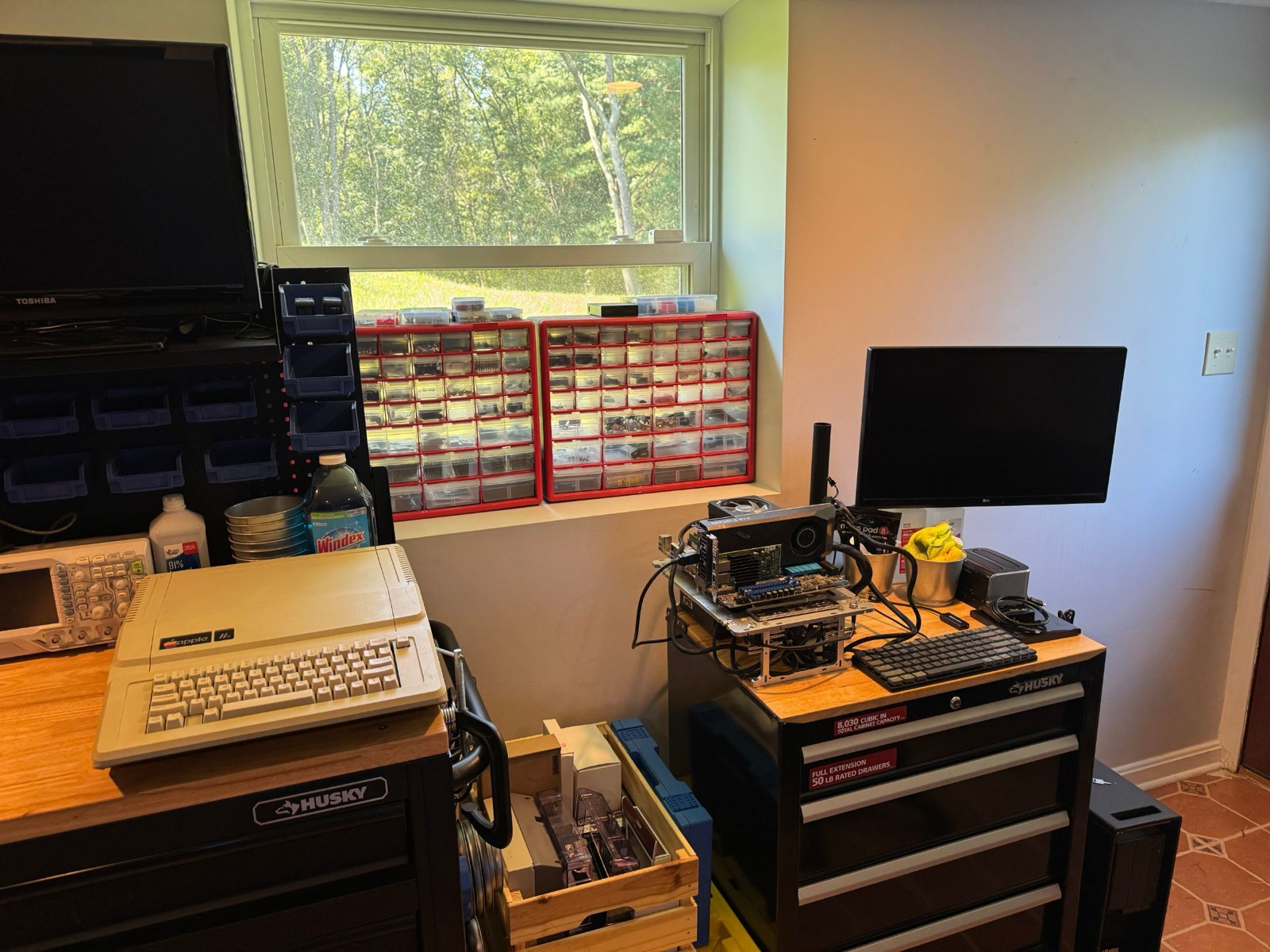
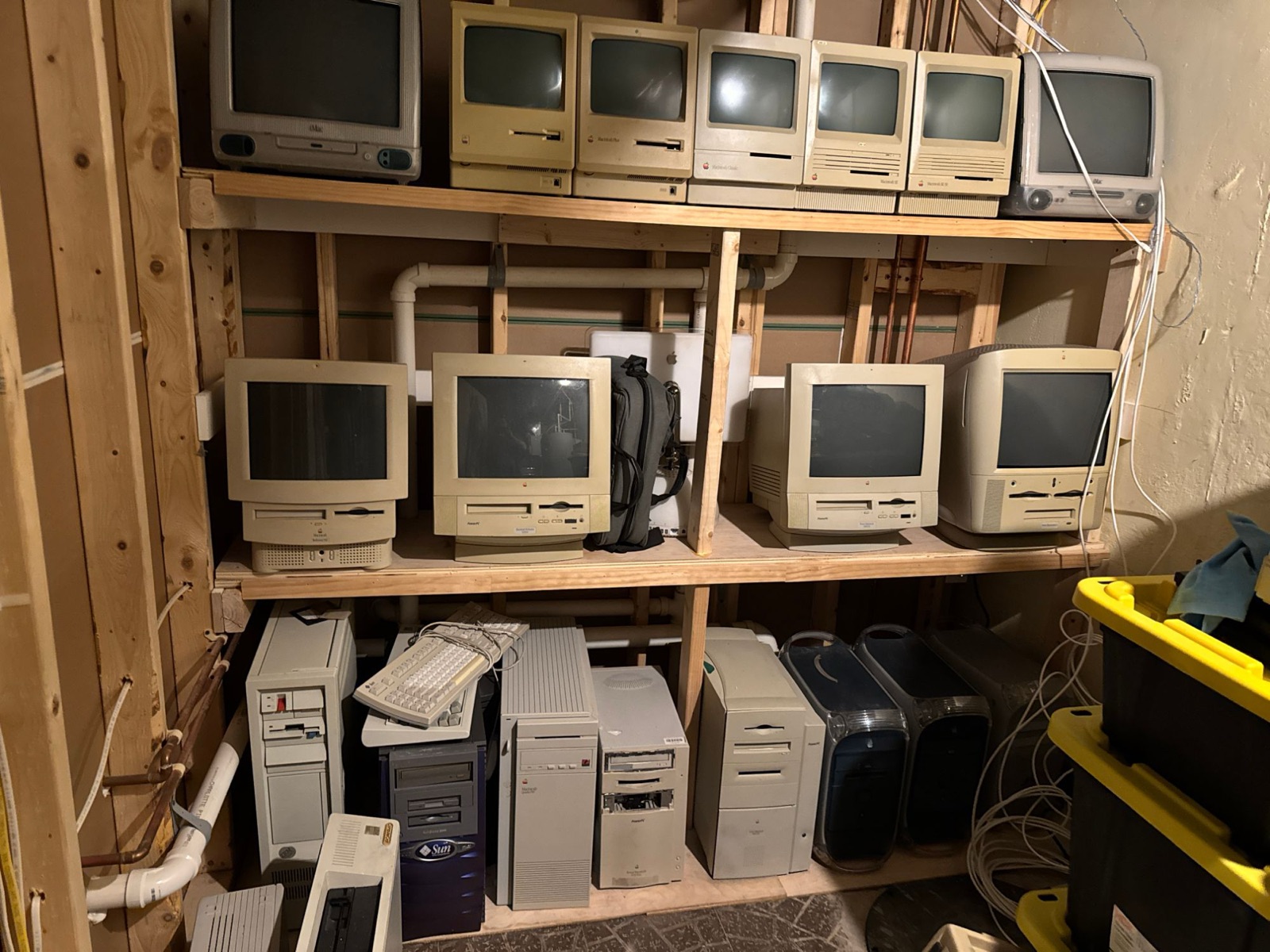
I’m Paul D. Martin, Ph.D., and Technicomp Labs is my independent computing laboratory. This site is where I publish the open-source projects I release and my applied research, and write about restoring and upgrading vintage computers, particularly high-end systems, to their maximum performance. It is a personal, noncommercial project that follows my interests in computer history and vintage computing, in systems and virtualization, in open source infrastructure, and in technology education, and it is not client work.
Technicomp Benchtop Linux · Alpha
The operating system for the technical workbench.
Benchtop Linux is a stabilized workstation rolling release derived from openSUSE Aeon and built on Tumbleweed. Most of the system stays current with Tumbleweed, while the kernel and desktop move more cautiously to reduce disruptive workstation regressions.
The operating system is delivered as a complete, immutable image, while applications and additional tools live in the user's profile through Flatpak, AppImage, and Homebrew rather than being layered into the system.
- Release
- Stabilized workstation rolling release
- Base
- openSUSE Aeon / Tumbleweed
- Kernel
- LTS by default · Current for hardware enablement
- Desktop
- Blueprint Environment · previous supported GNOME release
- System
- Immutable image, transactional updates, snapshots
- Apps
- Flatpak, AppImage, and Homebrew, per user
- Development
- Major language toolchains included
- Latency
- Low interactive latency · real-time audio ready
- Hardware
- x86 and ARM
- Status
- Alpha images on OBS
Applied research
LLM Performance Engineering Notebook
Finding the real speed limit of local inference.
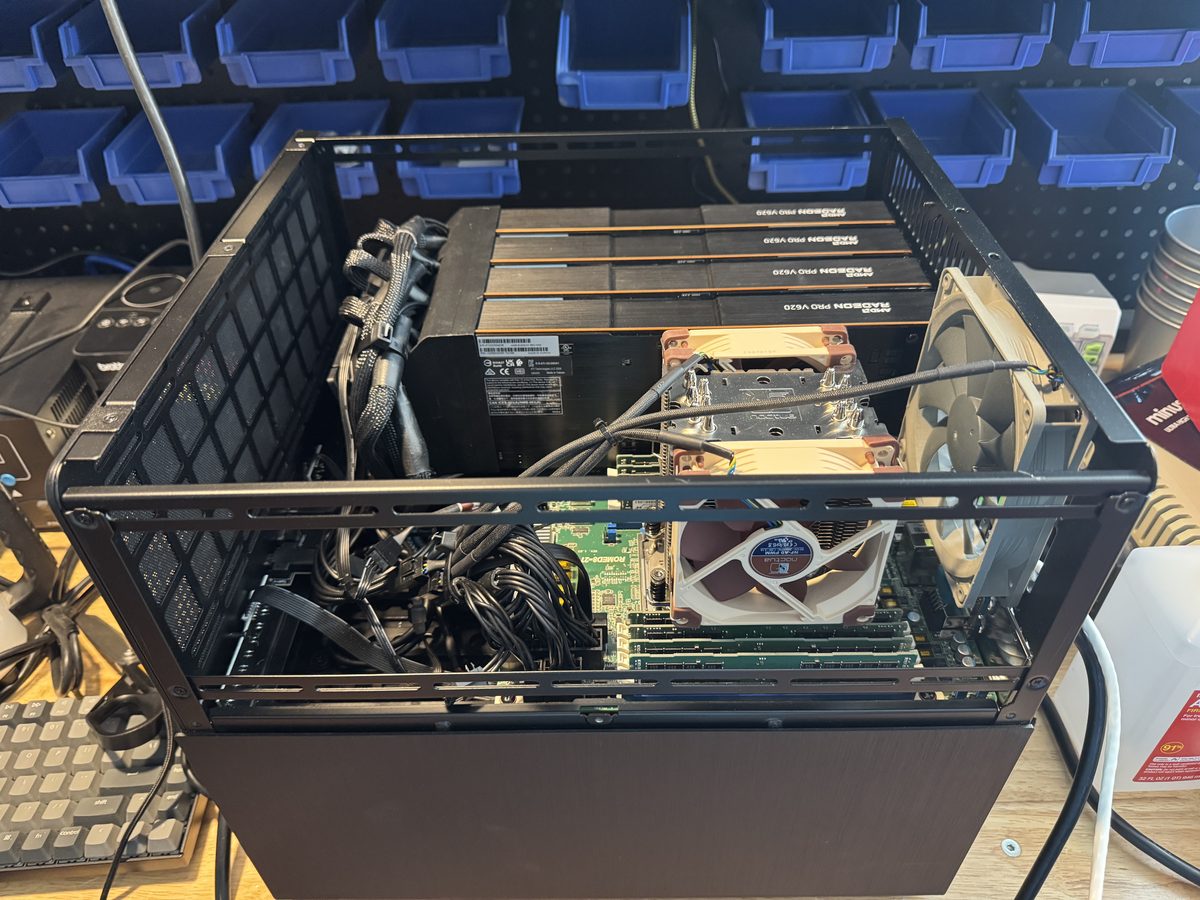
The notebook records my experiments on local inference, beginning with large Mixture-of-Experts models. I use hardware measurements and performance estimates to identify limits, then test configuration and code changes to understand where time goes. It includes a llama.cpp scheduler patch that raised prefill throughput 13.7% in the July comparison, per-model results, raw logs, and the hypotheses that testing did not support.